


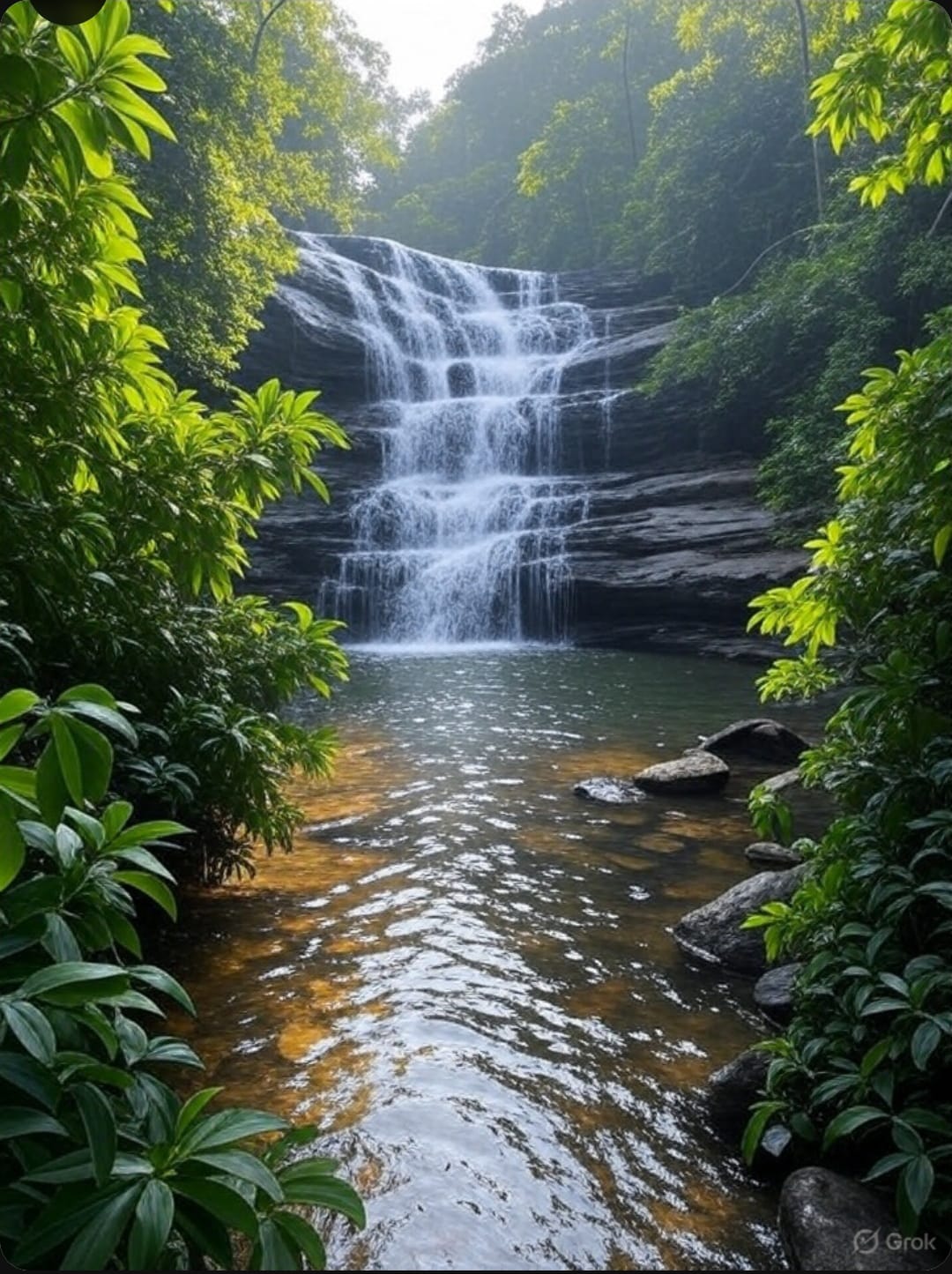
A Nature Lover’s Paradise in Mirzapur Nestled in the lush, undulating landscapes of Uttar Pradesh’s Mirzapur district, Bhaldaria Dari (also known as Bhaldariya Dari or Bhaladariya) stands as an enchanting destination that blends natural splendor with ancient history. This lesser-known waterfall and prehistoric site offers a serene escape from the hustle of urban life, making it a must-visit for adventure seekers, history enthusiasts, and families looking for a refreshing picnic spot. As part of the Vindhya Range’s rugged terrain, Bhaldaria Dari captures the essence of Mirzapur’s diverse tourism offerings—waterfalls cascading through verdant forests, rock shelters adorned with ancient art, and spiritual undertones tied to local legends. Whether you’re trekking through misty trails or unwinding by the flowing waters, this spot promises an unforgettable experience in the heart of India’s wilderness.
The Allure of Bhaldaria Dari:
Nature and History Intertwined Bhaldaria Dari is more than just a waterfall; it’s a window into prehistoric India. Located in the Chunar Tehsil of Mirzapur district, the site features a river that meanders through rocky outcrops, forming a picturesque “dari” or waterfall during the monsoon season. The surrounding area is dotted with rock shelters that house some of the oldest rock paintings in the region, discovered by archaeologist J. Pant. These paintings, dating back thousands of years, depict ancient human activities, wildlife, and tribal life, offering a fascinating glimpse into the lives of early inhabitants around 5000 BC. The site’s historical significance is amplified by its proximity to the Ganges River and the Vindhya mountains, areas steeped in Hindu mythology and referenced in ancient texts like the Vedas.The waterfall itself is a sight to behold, especially post-monsoon when the water gushes down from elevated rocks into natural pools below. Flanked by dense forests and the Baiju Baba Tapobhoomi—a revered spiritual site dedicated to the sage Baiju Baba—the area exudes tranquility. Baiju Baba is believed to have meditated here, adding a layer of mysticism that attracts pilgrims alongside tourists. However, visitors should note that the site’s natural beauty comes with risks; sudden water surges during rains have led to incidents, such as the tragic sweeping away of six tourists from Varanasi in August 2024 while picnicking. This underscores the importance of caution, particularly in the rainy season.Mirzapur district, with its population of over 2.4 million and a literacy rate of around 70%, is a biodiversity hotspot. Covered in more vegetation than urban sprawl, it serves as a vital ecological zone, home to wildlife sanctuaries and migratory birds. Bhaldaria Dari contributes to this by providing a habitat for local flora and fauna, including rare avian species that flock to the nearby Sirsi Dam. For those interested in eco-tourism, the site’s prehistoric rock art has been documented in anthropological studies, making it a point of interest for researchers and cultural explorers.
How to Reach Bhaldaria Dari:
Accessibility and Travel TipsReaching Bhaldaria Dari is relatively straightforward, given Mirzapur’s connectivity to major cities. The nearest major airport is Lal Bahadur Shastri International Airport in Varanasi, about 60 km away (approximately a 1.5-hour drive via NH 19). From Varanasi, the distance to Mirzapur city is around 62 km, taking about 1 hour and 35 minutes by road. Mirzapur Junction Railway Station is well-connected with trains from Delhi, Kolkata, and Prayagraj (Allahabad), making it an affordable option for budget travelers.Once in Mirzapur, Bhaldaria Dari is situated in the Ahraura area, roughly 40-50 km from the city center. Local buses, auto-rickshaws, or hired taxis can take you to the nearby village of Ahraura, from where a short trek of 2-3 km leads to the site. The route passes through scenic rural landscapes, but expect narrow, single-lane roads that may be challenging during monsoons due to slippery conditions. For a guided experience, consider joining local tour packages from Varanasi or Mirzapur, which often include visits to nearby attractions like Chunar Fort or Vindhyavasini Devi Temple.The best time to visit is during the post-monsoon months of October to February, when the weather is pleasant (temperatures ranging from 5°C to 25°C) and the waterfall is at its most vibrant without the risk of flash floods. Summers can be scorching (up to 40°C), while monsoons (June-August) bring lush greenery but also heavy rains and potential hazards. Pack sturdy trekking shoes, insect repellent, and plenty of water, as facilities are minimal. Entry is free, but it’s advisable to go in groups for safety, especially given the dense forests and occasional wildlife encounters like monkeys or snakes.
What to Do at Bhaldaria Dari:
Activities and Nearby AttractionsTrekking and PicnickingThe highlight of Bhaldaria Dari is the invigorating trek to the waterfall. The path winds through jungles, rivulets, and massive rocks, taking about 1-1.5 hours for avid hikers. Once at the falls, you can dip into the natural pools for a refreshing swim (under supervision) or simply relax amid the soothing sounds of cascading water. It’s an ideal picnic spot, with families and friends often spreading out mats for a day under the canopy of trees. Birdwatching is another delight, as the area attracts species from Siberia during winters.Exploring Prehistoric Rock ArtFor history buffs, the rock shelters at Bhaldaria are a treasure trove. Guided by locals or archaeologists, you can examine the ancient paintings up close. These sites are part of Mirzapur’s rich archaeological heritage, similar to other rock art locations in the district. Combine this with a visit to Baiju Baba Tapobhoomi for a spiritual sojourn, where you can offer prayers and learn about the sage’s legends.Nearby Attractions in MirzapurNo trip to Bhaldaria Dari is complete without exploring Mirzapur’s other gems:Lakhaniya Dari Waterfall: Just 54 km from Varanasi, this 150-meter-high fall is a trekker’s paradise, with water feeding into the Ahraura Dam.
Chunar Fort: A historic 16th-century fort overlooking the Ganges, offering panoramic views and tales of Mughal-era battles.
Vindhyavasini Devi Temple: One of the 51 Shakti Peeths, drawing millions during Navratri festivals in March-April and September-October.
Tanda Falls and Wyndham Falls: More waterfalls for a full day of nature immersion, perfect for photography.
Sirsi Dam: A serene reservoir amid the Vindhyas, ideal for birdwatching and solitude.
These spots can be covered in a 2-day itinerary, combining nature, history, and spirituality. Traditional North Indian cuisine, like kebabs and chaat, is available at local eateries, though options near the site are basic—carry your own snacks for picnics.Why Bhaldaria Dari Should Be on Your Travel ListIn a country brimming with iconic destinations, Bhaldaria Dari offers an offbeat charm that feels authentic and unspoiled. Mirzapur’s tourism, driven by its natural and cultural assets, contributes significantly to the local economy, supporting carpet-weaving and brassware artisans. However, challenges like poor infrastructure and seasonal risks highlight the need for responsible tourism—leave no trace and respect the site’s fragile ecosystem.As you plan your visit on this September day in 2025, remember that Bhaldaria Dari isn’t just a place; it’s a journey back in time and a breath of fresh air. Whether you’re seeking adventure or peace, this hidden waterfall in Mirzapur will leave you rejuvenated and inspired. Pack your bags, embrace the wild, and let the waters of Bhaldaria Dari wash away your worries!
#KashiWala #Kashiwalatour #Kashiwalatours #Varanasi #banaras


